The Secret to Running AION i60 EREV as a 500,000-km Fleet Taxi
The AION i60 'hybrid' is a range extender: the engine only makes electricity. Here is what that means for a high-mileage taxi, and the charging and service habits that help a fleet plan for 500,000 km.
By EVtoU
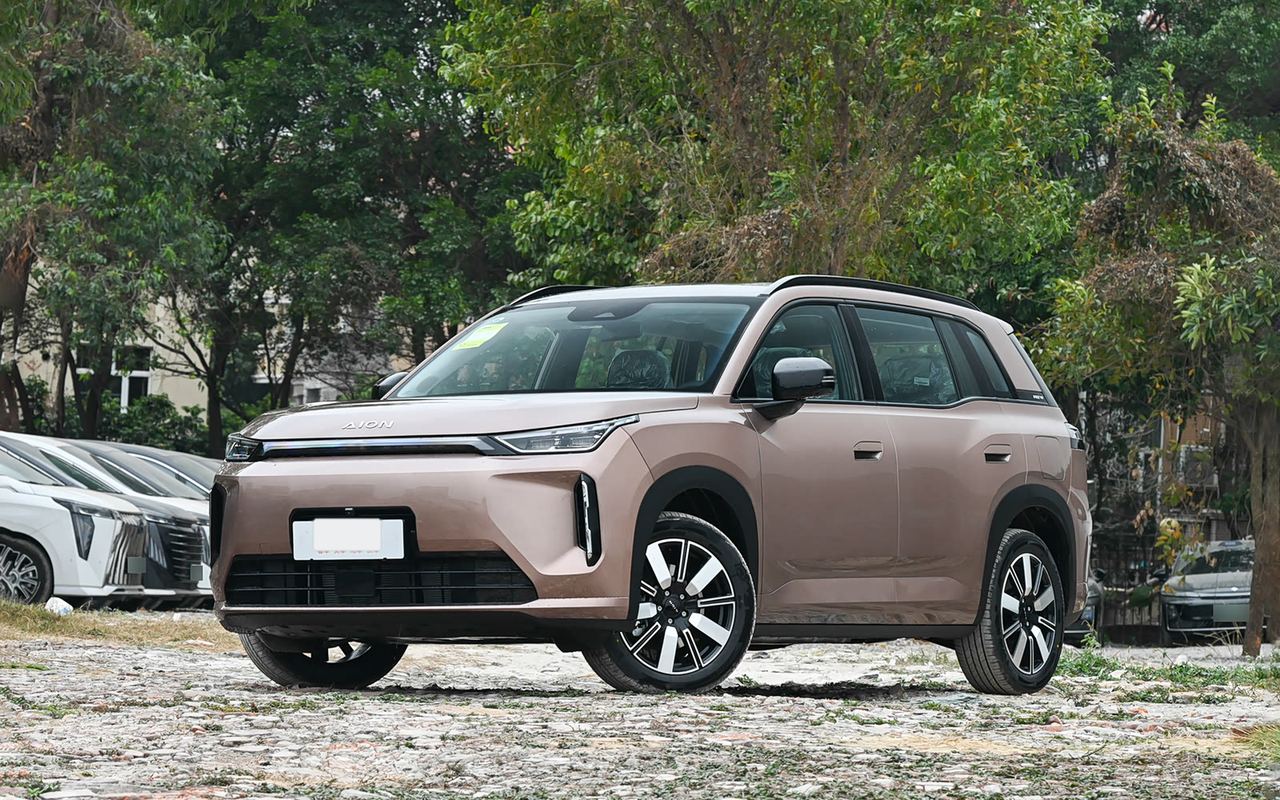
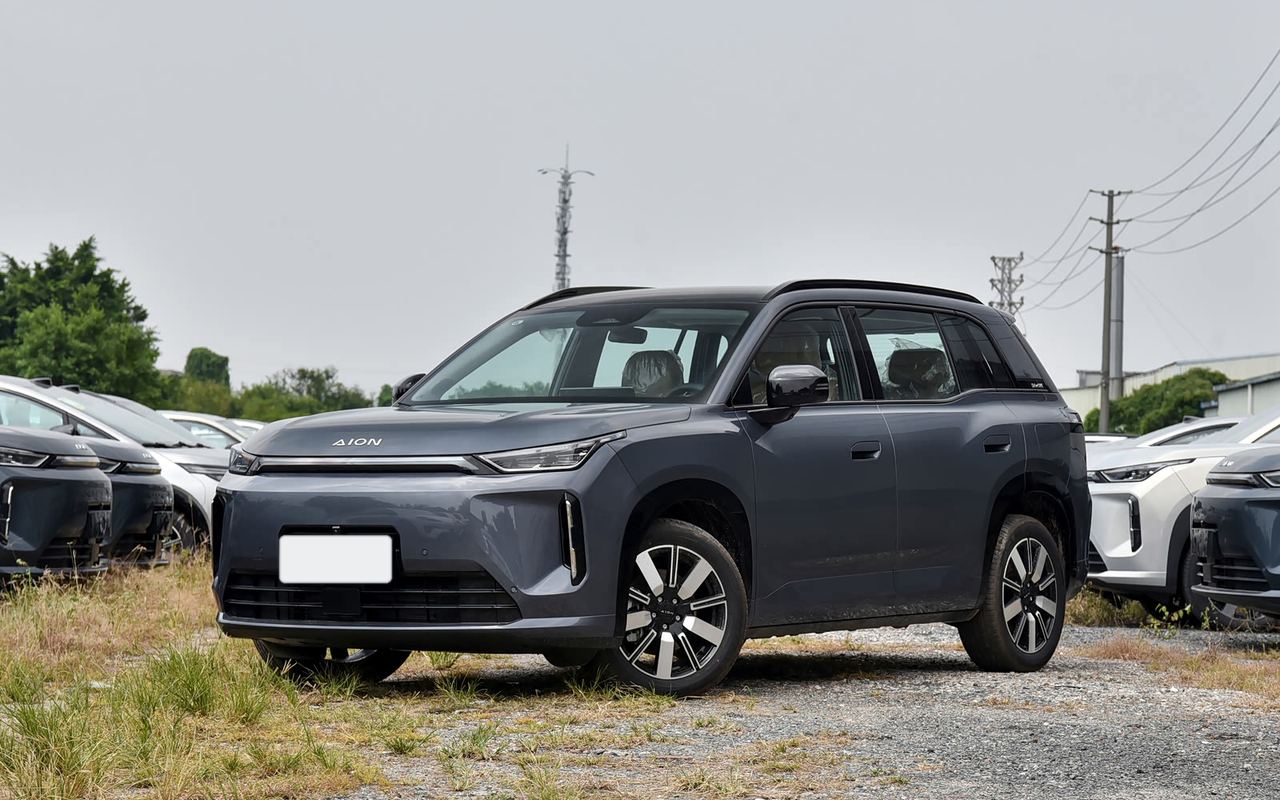
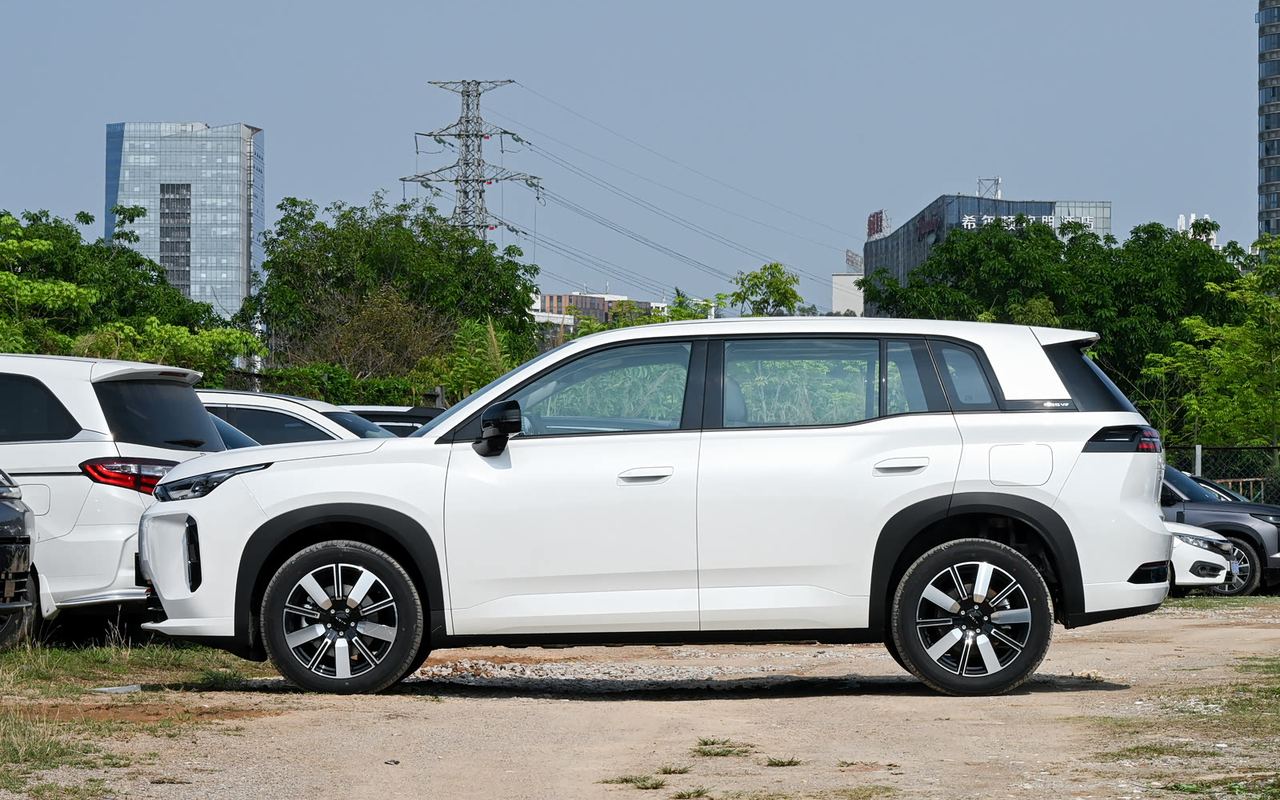
Short answer: there is no secret, only discipline. The AION i60 EREV has not been proven to 500,000 km in export taxi use, so treat that figure as a planning target, not a promise. What helps a fleet reach it is the car's layout (an electric drive with a small engine that only generates power), an LFP battery, daily slow charging, strict service records and a budget for wear parts from day one.
Is the AION i60 a hybrid or a range extender?
It is a range-extended electric vehicle (EREV). Many buyers call it a hybrid, but the wheels are always driven by the electric motor. The 1.5 L naturally aspirated petrol engine (74 kW, 92-octane fuel, 50 L tank) is connected to a generator, not to the wheels. In a conventional hybrid, the engine often drives the wheels through a gearbox.
- No multi-speed gearbox for the engine to wear out; the drive is single-speed.
- The engine runs in a narrow, efficient band to charge the battery, rather than revving up and down with traffic.
- The car drives like an EV at all times, with smooth acceleration and regenerative braking.
- The battery is smaller than a BEV's: 29.165 kWh on the 2026 210 and 45.37 kWh on the 2027 1738, so it cycles more often.
How long does 500,000 km take for a taxi?
It depends on your shift pattern. As an assumed example, a double-shift taxi covering 400 km a day for 330 days a year runs about 132,000 km a year, which reaches 500,000 km in under four years. A single-shift car at 200 km a day takes over seven years. Do this arithmetic for your own fleet first, because it decides how many service cycles, tyre sets and brake jobs you need to budget.
Which charging habits protect the battery?
The i60 uses lithium iron phosphate (LFP) cells with liquid cooling. LFP is known for long cycle life and thermal stability, which suits daily charging. Good habits still matter over hundreds of thousands of kilometres.
- Charge slowly when you can: use AC charging at the depot overnight and keep DC fast charging (30–80% in about 15 minutes on the EREV) for mid-shift top-ups.
- Start shifts on battery: a charged battery means more kilometres on cheap electricity and fewer engine hours.
- Follow the manual on full charges: many LFP vehicles need an occasional full charge so the battery management system can read the state of charge accurately.
- Avoid long periods at 0%: do not park a car for days with an empty battery.
- Let preheating work in cold weather: every i60 trim has battery preheating; use it before fast charging in winter.
The i60 uses the Chinese GB/T charging standard. We discuss charging solutions per market before your order. More on the battery is in our battery and fast-charging deep dive.
What maintenance should a fleet plan for?
Follow the service schedule in the owner's manual and record every job. The table lists the items a high-mileage EREV taxi will need; set intervals from the manual and your own data, not from a guess.
| Item | Why it matters on a taxi | What to plan |
|---|---|---|
| Engine oil and filters | The engine still runs when the battery is low | Service by distance or engine hours, whichever the manual sets |
| Fuel quality | Engine is designed for 92-octane petrol | Buy from reliable stations; poor fuel harms any engine |
| Tyres (215/55 R18) | The biggest wear cost on most taxis | Rotate regularly, check pressure via TPMS daily |
| Brakes | Regenerative braking reduces wear, but discs still corrode | Inspect pads and discs at each service |
| Suspension bushes and links | Five-link rear suspension on rough roads | Inspect at each service; replace worn parts early |
| Coolant circuits | Battery and engine both rely on cooling | Check levels and condition per manual |
| 12V battery and cabin filter | Common causes of downtime and complaints | Replace on a fixed schedule |
Chinese-market warranty terms do not transfer to export buyers. Agree warranty cover, spare parts supply and technical support in the sales contract before you buy a fleet.
How do you track the car over its life?
- Log energy and fuel per shift: a rise in kWh/100 km or L/100 km is an early warning of tyre, brake or battery issues.
- Record battery health at each service with the dealer or workshop's diagnostic tool.
- Use the built-in dashcam and sentry mode to settle damage and insurance disputes quickly.
- Rotate cars between heavy and light shifts so the whole fleet wears evenly.
Which i60 EREV trims suit taxi work?
The 2026 210 Special Edition is the entry-level EREV and keeps capital cost low. The 2027 1738 EREV has a larger 45.37 kWh battery and 350 km CLTC electric range, so more of each shift runs on electricity and the engine works less. Compare all trims in the 2026 and 2027 ranges, and see volume terms on our fleet solutions page. For cost per kilometre, use the method in our running-cost guide.
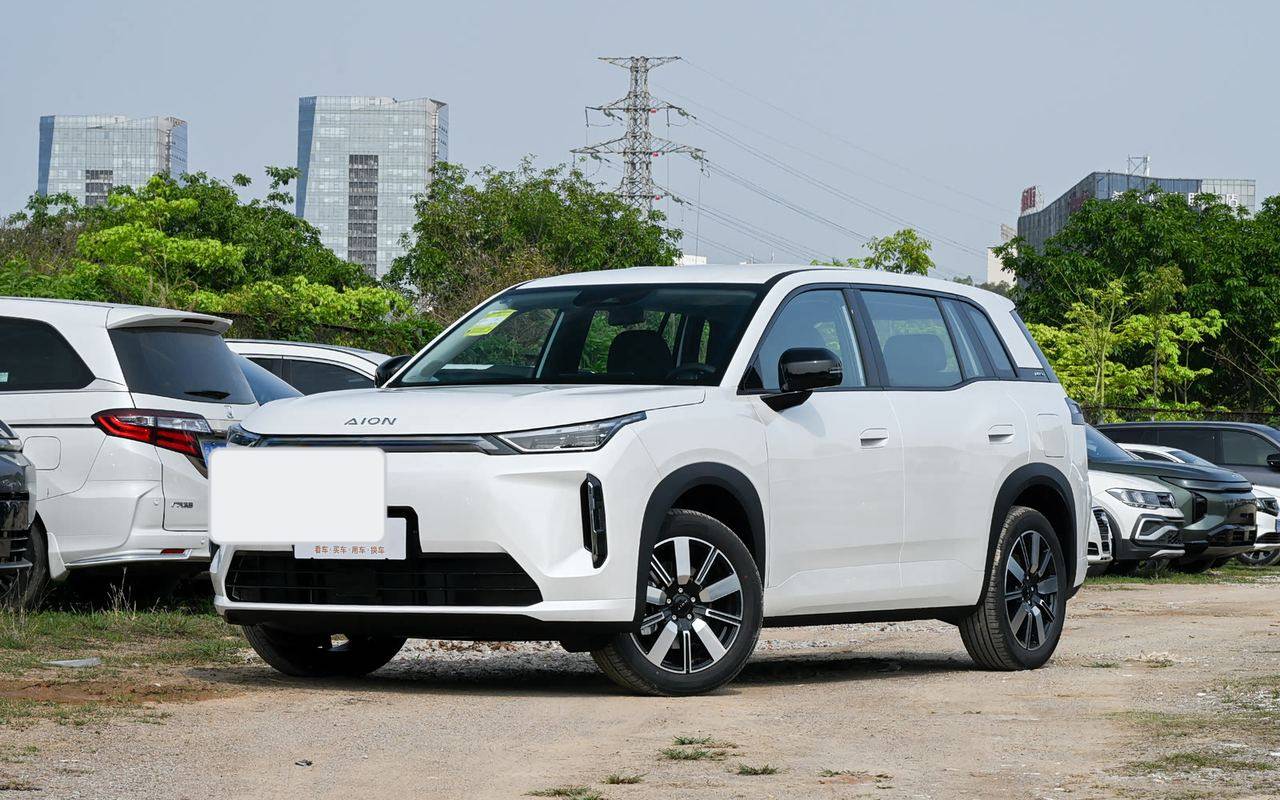
2026 · Range-extended (EREV) · LHD
GAC AION i60 2026 210 EREV Special Edition
- Total range
- 1,240 km
- Battery
- 29.165 kWh
- Power
- 180 kW
Export price
Price on request
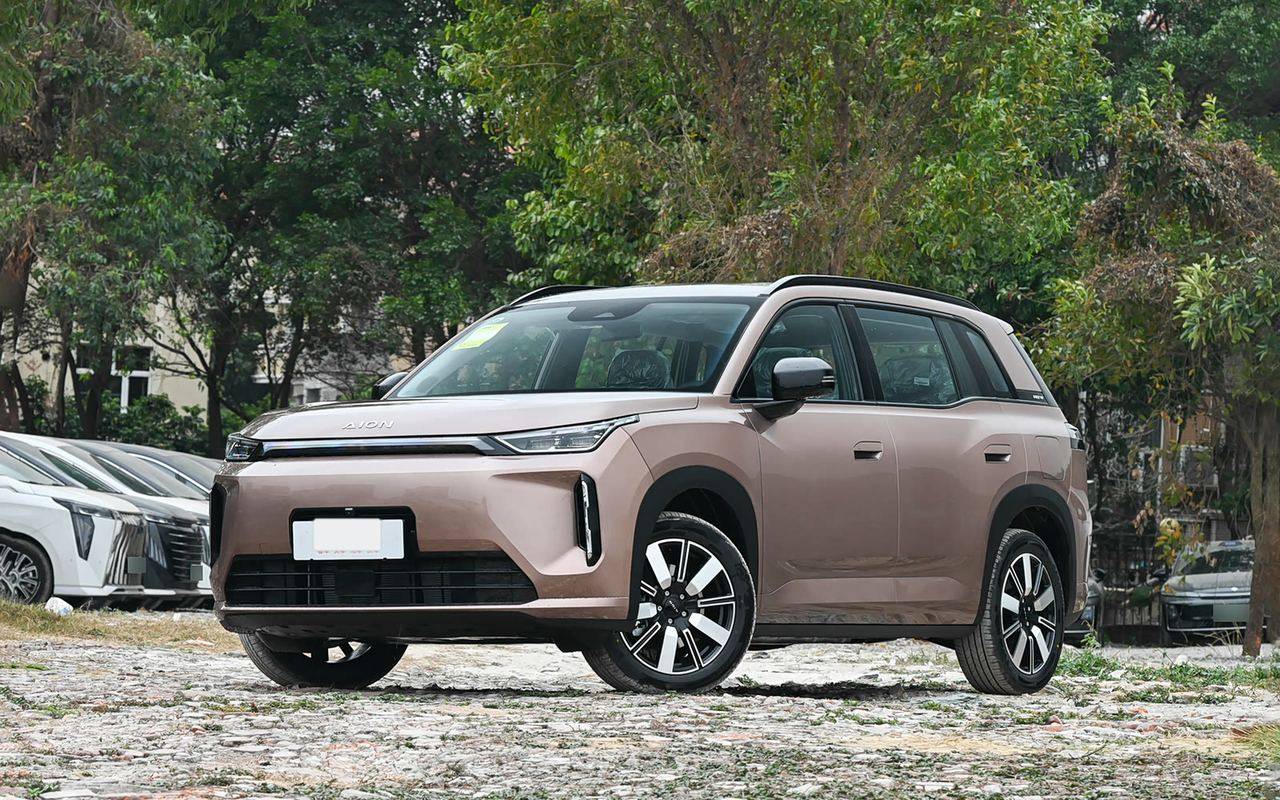
2026 · Range-extended (EREV) · LHD
GAC AION i60 2026 210 EREV Standard
- Total range
- 1,240 km
- Battery
- 29.165 kWh
- Power
- 180 kW
Export price
Price on request
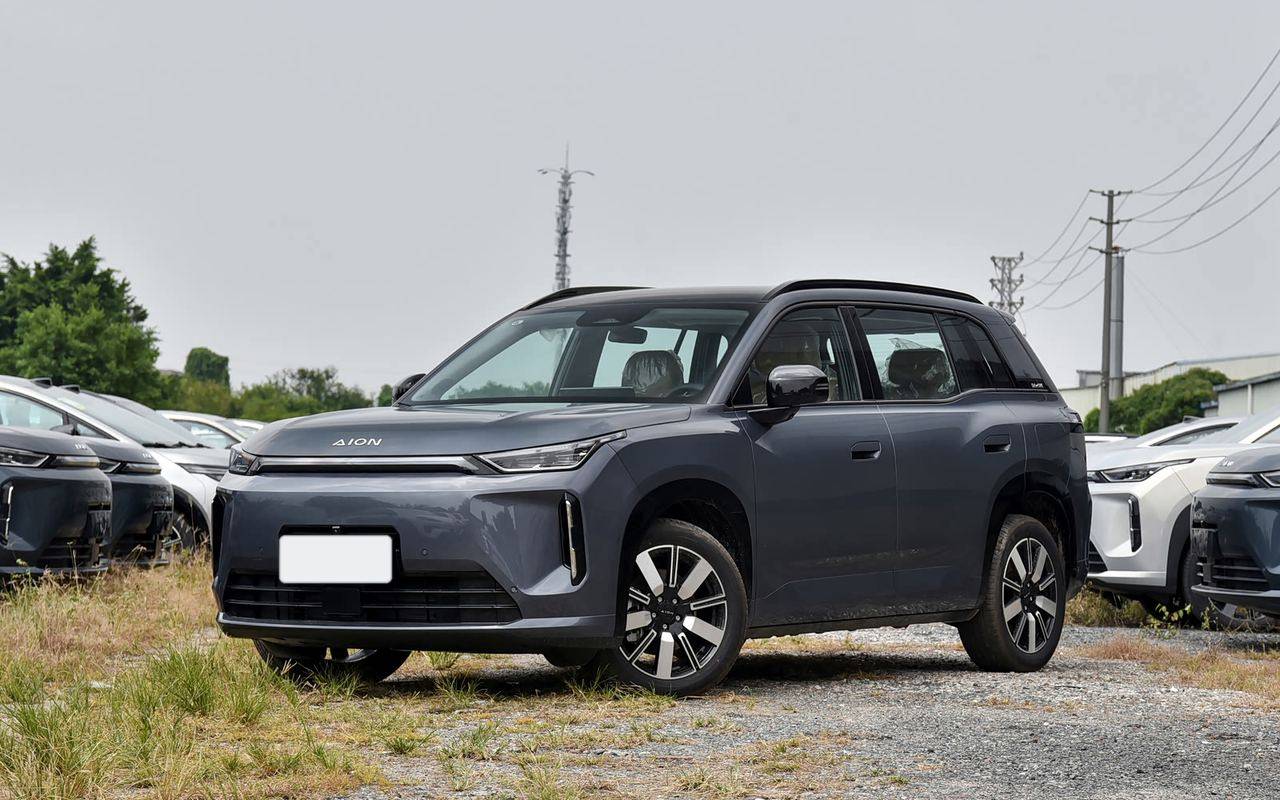
2027 · Range-extended (EREV) · LHD
GAC AION i60 2027 1738 Super EREV
- Total range
- 1,738 km
- Battery
- 45.37 kWh
- Power
- 160 kW
Export price
Price on request