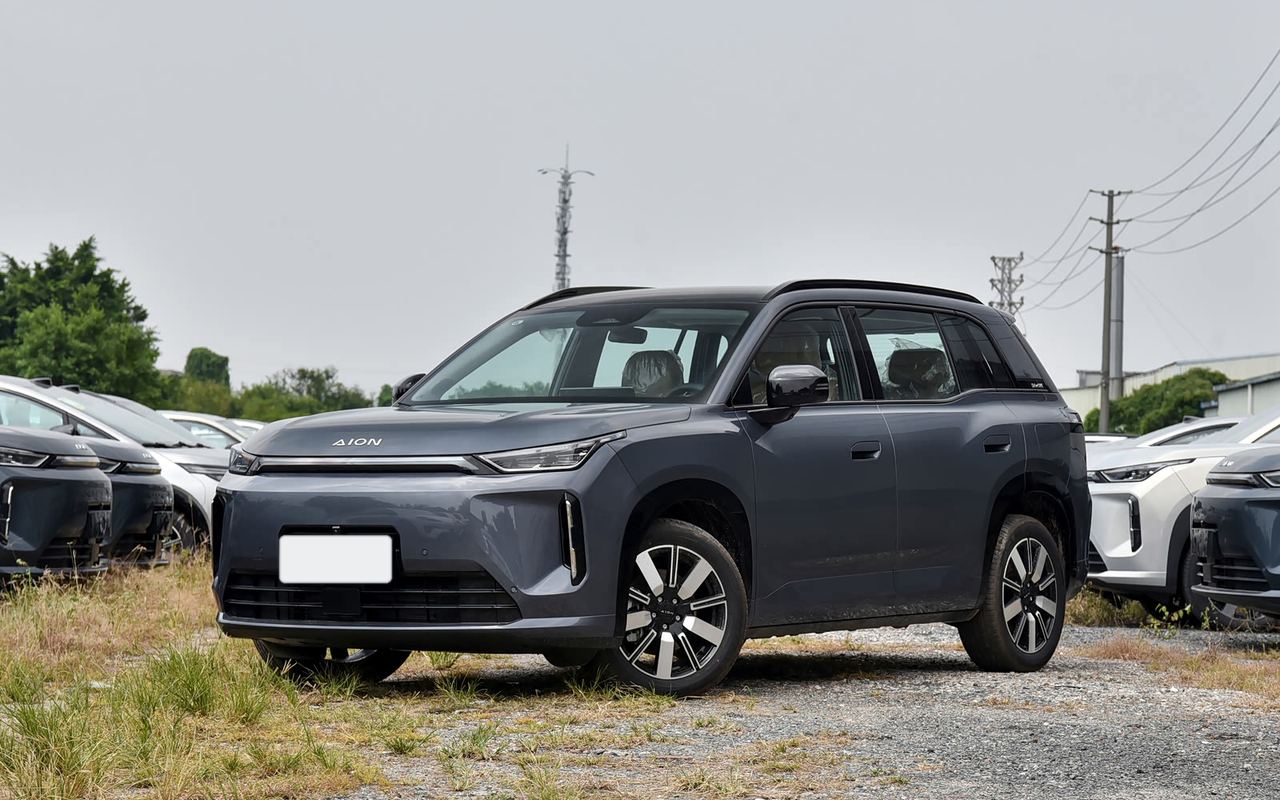
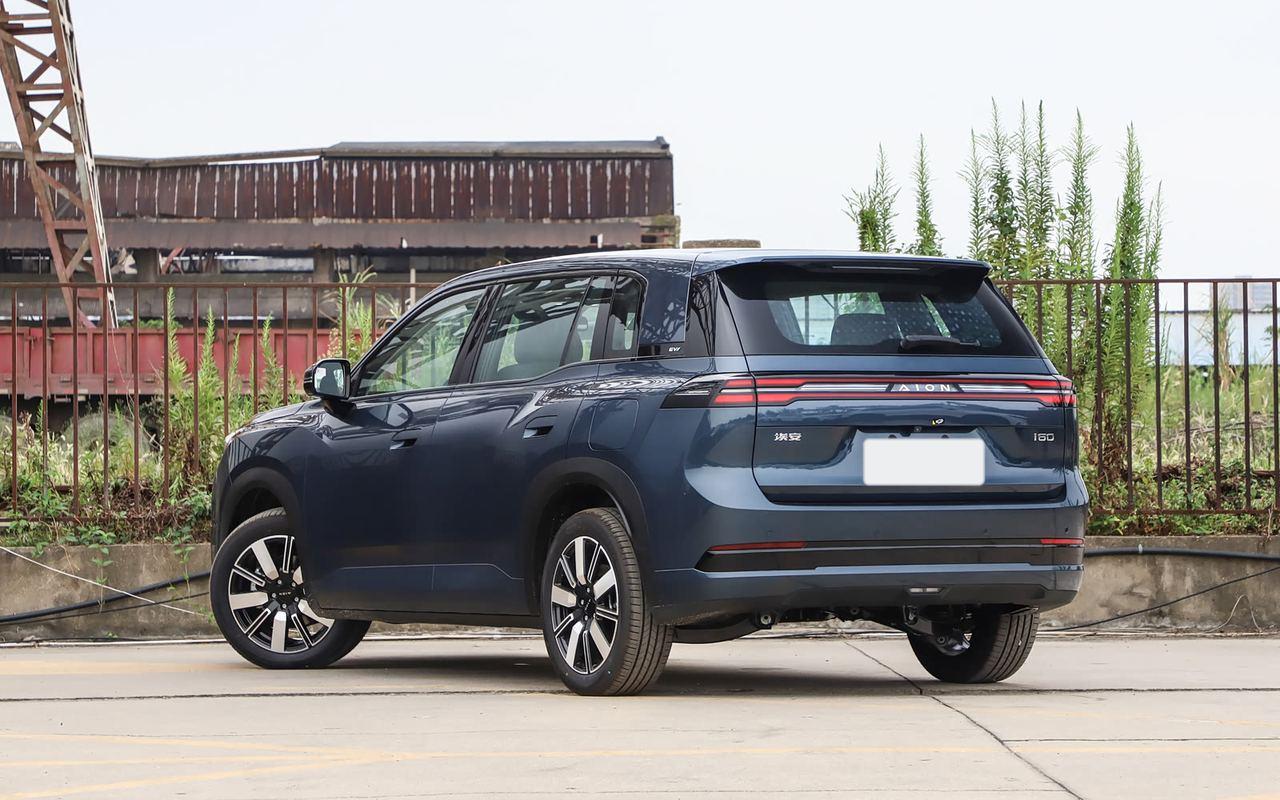
Why the AION i60 is the Ultimate Low-Cost Fleet & Taxi SUV Export from China in 2026
Low energy use, an LFP battery, a range-extender option for long shifts and a simple front-drive layout. Here is how the AION i60 SUV fits taxi and fleet work, which trims make sense and what to check before a fleet order.
By EVtoU
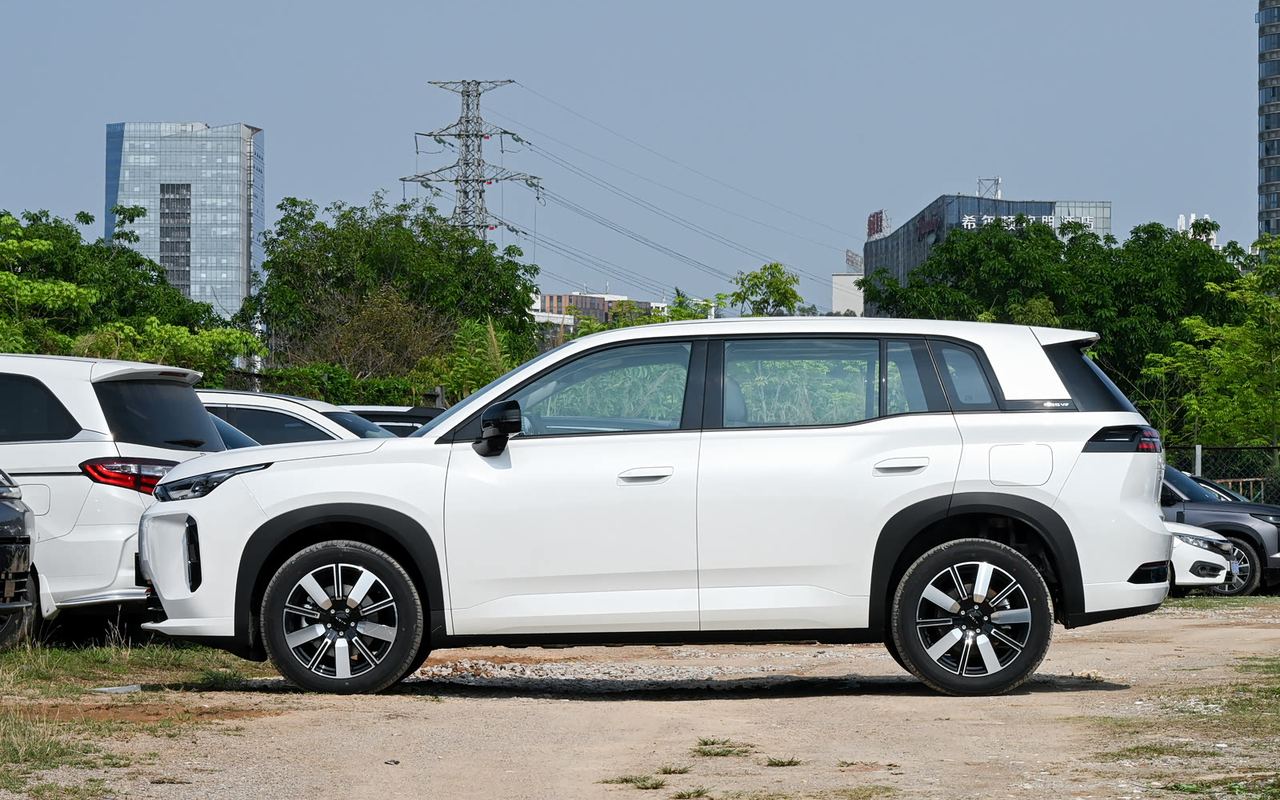
Short answer: the AION i60 suits fleet and taxi work because it is a roomy compact SUV with low energy use (12.0–12.8 kWh/100 km for the BEV), a long-life LFP battery chemistry and a range-extended (EREV) option for drivers who cannot charge during a shift. Entry trims keep the purchase cost down, and you can start with a single unit as a trial.
Fleet buyers care about cost per kilometre, uptime and passenger comfort more than headline features. This article looks at the i60 through that lens. We do not publish prices here; quotes are FOB or CIF per order.
What makes the i60 cheap to run in a fleet?
- Low energy use: the BEV is rated at 12.0–12.8 kWh/100 km, which keeps the energy bill per trip low where electricity is cheaper than petrol.
- LFP battery: lithium iron phosphate cells are known for long cycle life and good thermal stability, which matters for cars that charge every day.
- Simple drivetrain: one front motor, front-wheel drive and a single-speed reduction gear. No gearbox, clutch or timing belt on the BEV.
- Regenerative braking: the motor slows the car in traffic, which reduces brake pad wear in city work.
- Common tyre size: 215/55 R18 on most trims, a size that is easy to source in many markets.
To see how energy savings add up for your own prices, use the worked method in our AION i60 vs petrol SUV cost guide.
BEV or EREV: which is better for a taxi?
It depends on charging. If your drivers can charge at a depot between shifts and daily distance stays inside the real-world range, the BEV gives the lowest running cost and the fewest service items. If shifts are long, chargers are scarce or the grid is unreliable, the EREV removes the risk of a car stopping with a flat battery. Its 1.5 L petrol engine only generates electricity, so the car still drives like an EV.
| Fleet need | Suggested i60 version | Why |
|---|---|---|
| Lowest purchase cost, mixed routes | 2026 210 Special Edition EREV | Entry-level trim, 210 km CLTC electric, 1,240 km combined |
| City taxi with depot charging | 2026 530 Standard BEV | 530 km CLTC, 62.27 kWh battery, fewer service items |
| Ride-hailing with newer interior | 2027 520 CATL BEV | CATL battery, 15.6-inch screen, Apple CarPlay |
| Intercity or rural shuttle | 2027 1738 EREV | 350 km CLTC electric, 1,738 km combined |
Skip the LiDAR trims for taxi work. Their navigate-on-assist functions depend on Chinese map data and should not be expected to work abroad, so the extra hardware adds cost without a clear return for a fleet.
Is the i60 comfortable for passengers and drivers?
Yes. The 2,775 mm wheelbase gives good rear legroom, and the 416 L boot takes airport luggage for two or three passengers. The five-link independent rear suspension rides more smoothly than the simple rear beams found on many low-cost cars. For drivers, full-speed adaptive cruise, a 360° camera and auto hold reduce fatigue over a 10-hour shift.
Every trim also has a built-in dashcam and sentry mode, useful evidence in disputes or insurance claims. Remote start through the app lets a driver cool the cabin before picking up a passenger in hot markets such as the Gulf.
What should fleet buyers check before ordering?
- Local taxi rules: some cities set limits on vehicle age, size, colour or drive side. The i60 is left-hand drive only.
- Charging plan: the i60 uses the Chinese GB/T standard. We discuss charging solutions for your market before the order.
- Warranty and parts: Chinese-market warranty terms do not transfer to export buyers. Agree cover, spare parts and service support in the sales contract.
- Registration: confirm homologation or conformity rules for Chinese-spec vehicles. Our market pages give country notes, for example for Saudi Arabia and Ghana.
- Connectivity: app features and OTA updates are designed around Chinese networks; check what works locally before planning around them.
How do fleet orders with EVtoU work?
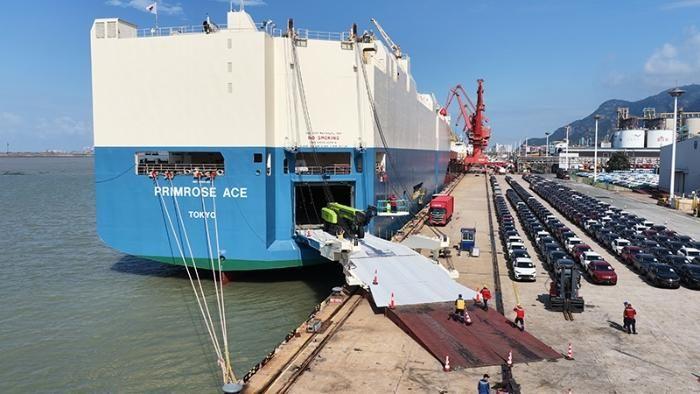
EVtoU is an independent exporter, not an official GAC distributor. The minimum order is one unit, so a fleet can test one or two cars before a larger batch. In-stock vehicles ship within 10 working days after payment; specific trims depend on sourcing, and sales confirms the timeline. Mixed-model orders are accepted, and container loading is planned to keep shipping cost per car down.
Each step, from inquiry to inspection and shipping, comes with photo or video confirmation. Our fleet solutions page explains volume options, and for a long-life plan read running the i60 EREV as a 500,000 km taxi. Send bulk and B2B requests to our sales team through the contact page.
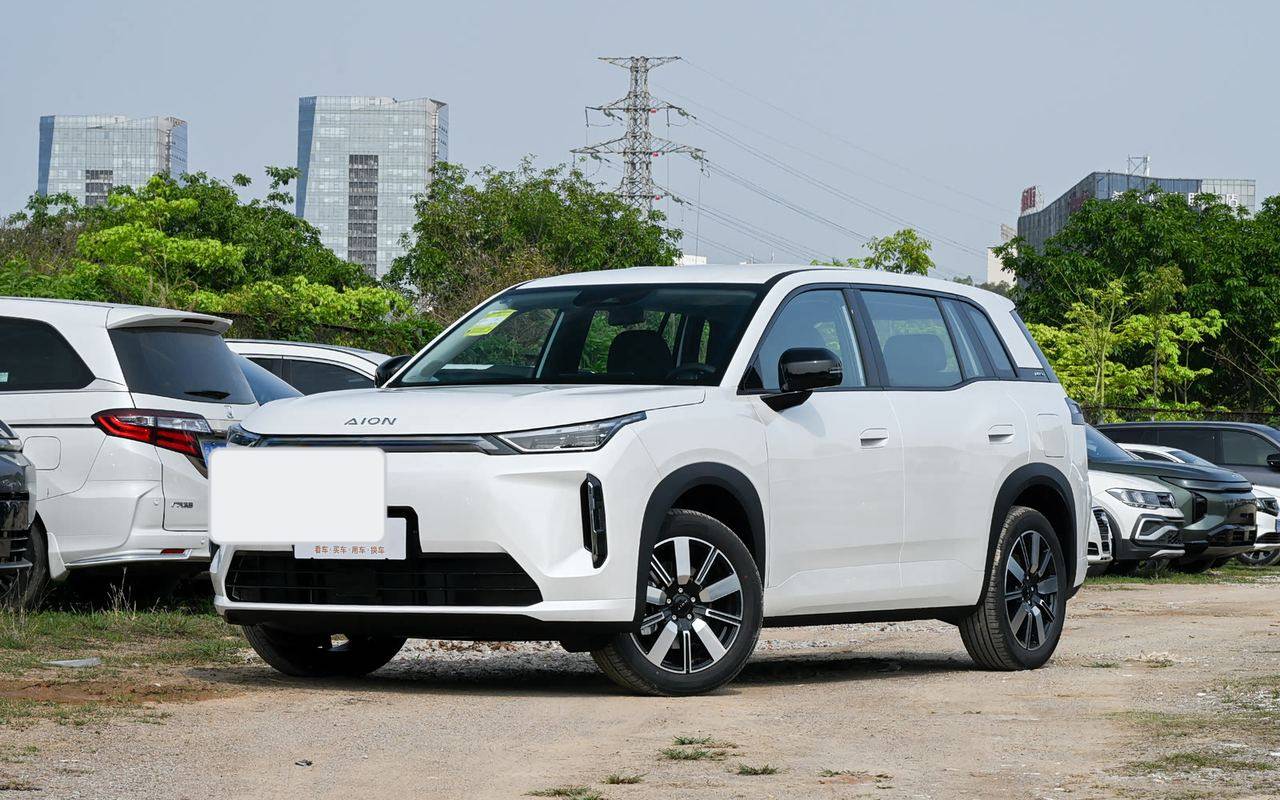
2026 · Range-extended (EREV) · LHD
GAC AION i60 2026 210 EREV Special Edition
- Total range
- 1,240 km
- Battery
- 29.165 kWh
- Power
- 180 kW
Export price
Price on request
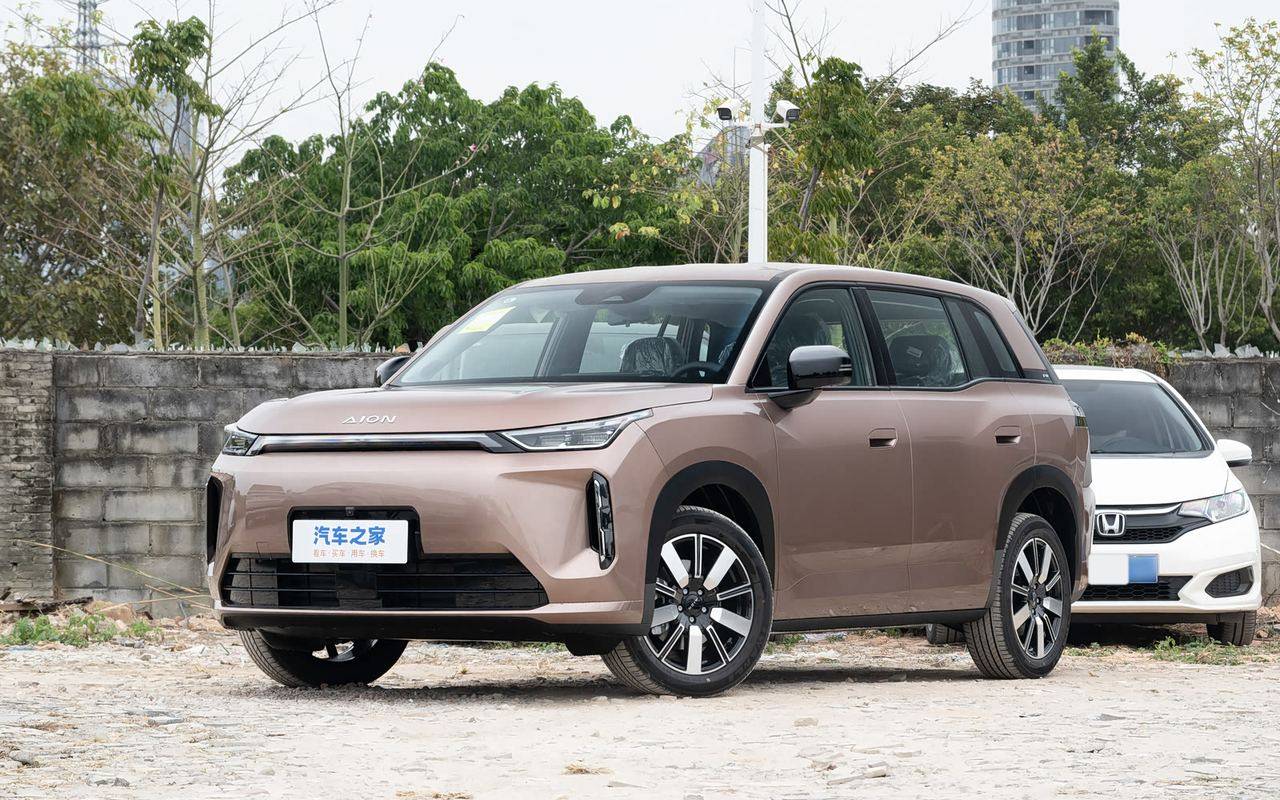
2026 · Electric (BEV) · LHD
GAC AION i60 2026 530 Standard
- Range
- 530 km
- Battery
- 62.268 kWh
- Power
- 150 kW
Export price
Price on request
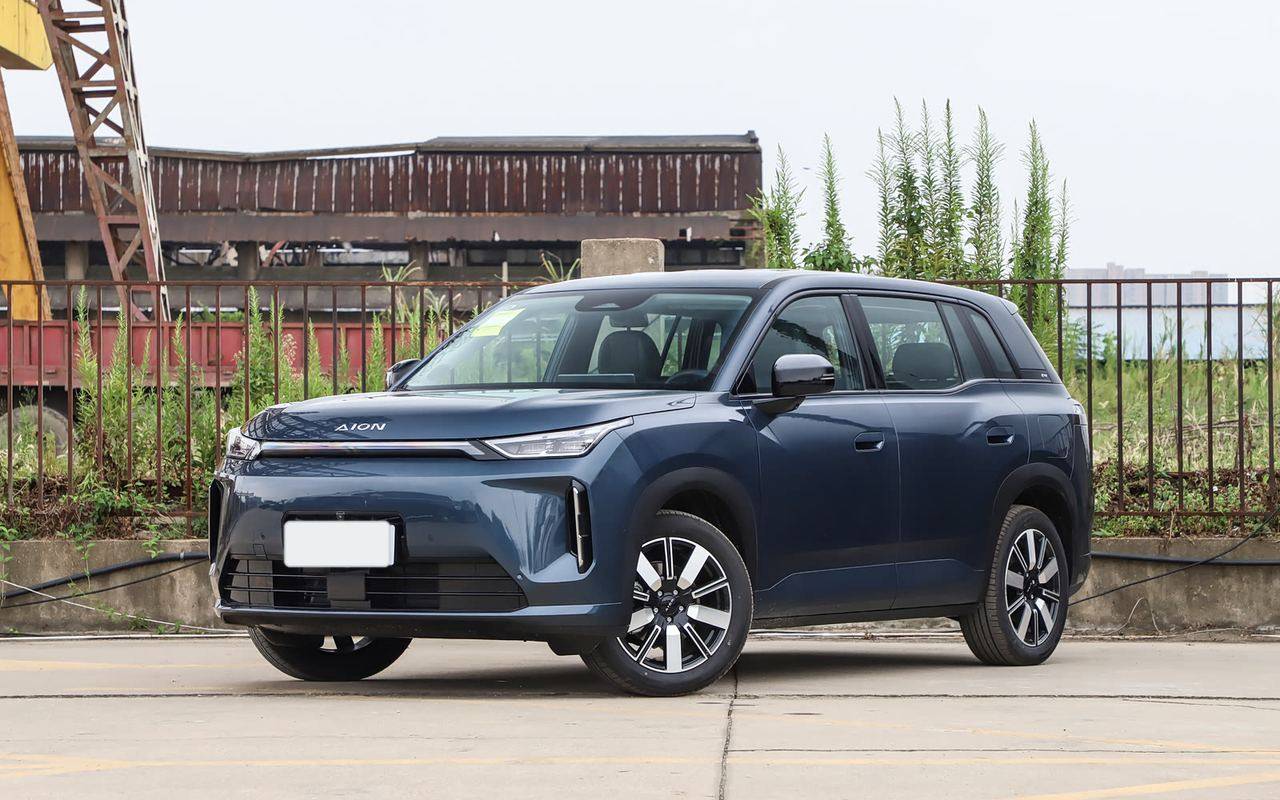
2027 · Electric (BEV) · LHD
GAC AION i60 2027 520 CATL
- Range
- 520 km
- Battery
- 56.68 kWh
- Power
- 165 kW
Export price
Price on request